Rebuilding a Fragmented Experience to Enable Cross-Platform Scale
Related case study:
Launching CHASSIS: A Cross-Platform Design System →Impact
Questions reduced by 63%
Screens reduced by 36%
New business conversion increased from 7% to 13%
Return customer conversion more than doubled from 15% to 37%
Marketing efficiency improved to £9 return per £1 spent
Problem
Over 7 years, the quote journey had evolved into a complex, fragmented system:
Legacy decisions layered without clear rationale
Conflicting requirements across UX, pricing, and compliance
Limited visibility into what actually drove conversion
An architecture that made experimentation slow and unreliable
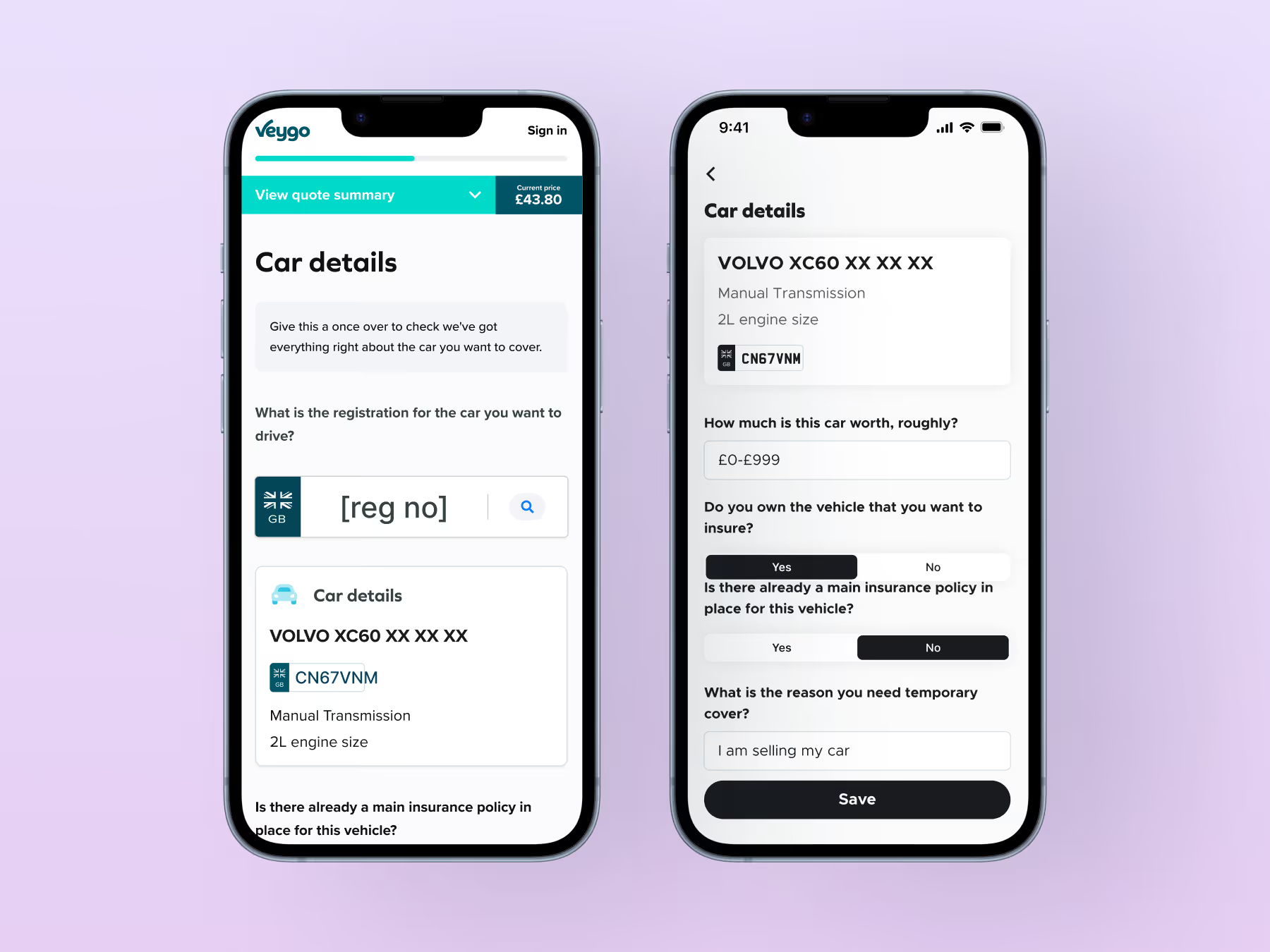
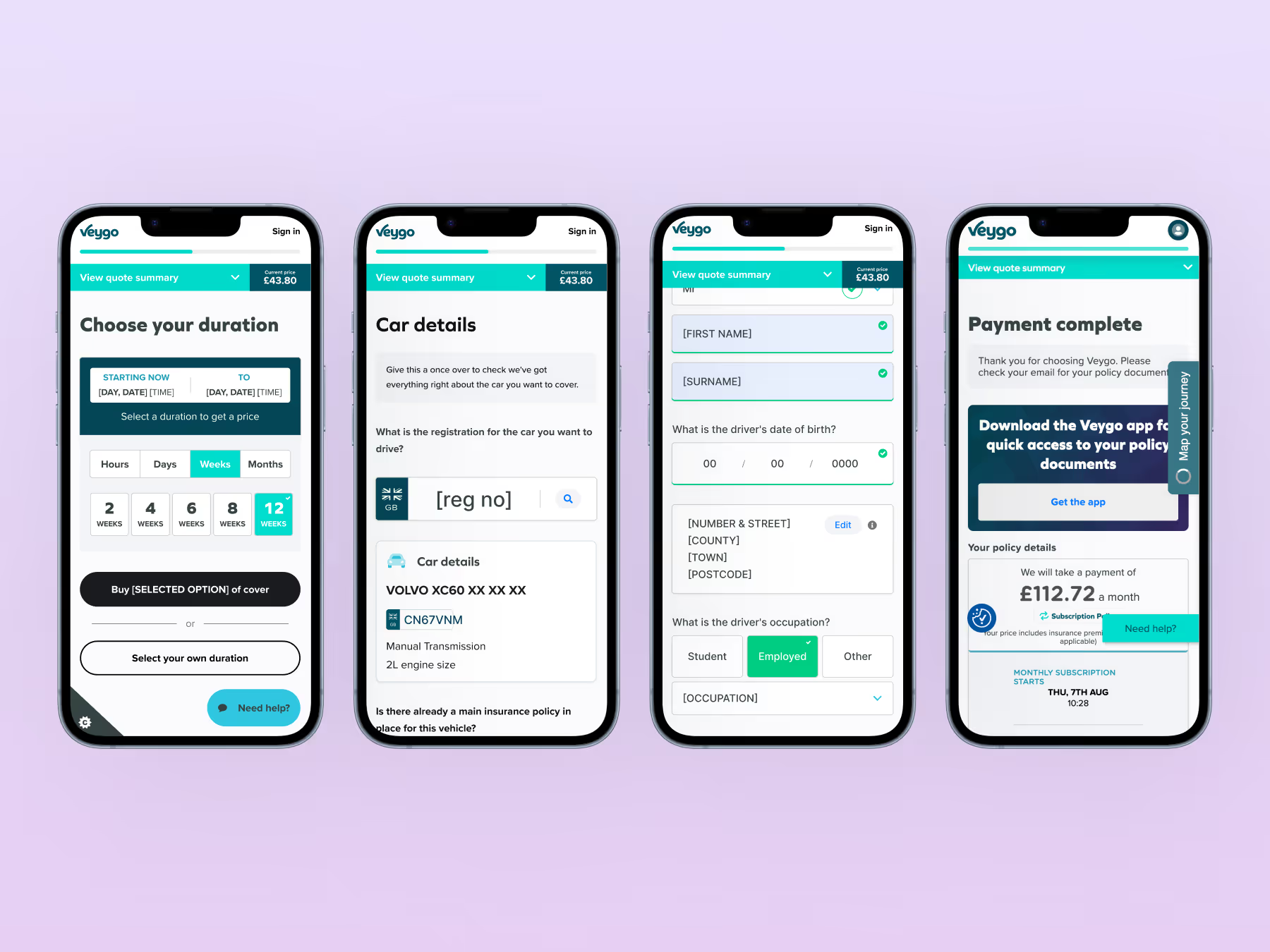
At the same time, each platform had diverged significantly:
iOS, Android, and Web all had different journeys
Inconsistent patterns, behaviours, and feature implementations
No clear source of truth for how the product should work
This created major challenges:
Inconsistent user experience depending on platform
High maintenance cost for teams rebuilding the same logic multiple times
Slow iteration, as changes had to be designed and implemented separately
This wasn’t just a UX issue. It was a system, platform, and measurement problem.
My role
I led the redesign, working across product, engineering, pricing, and compliance.
Post-launch, I operated in a hybrid Designer / Product Manager role to:
Drive iteration across product squads
Improve experimentation velocity
Ensure decisions were grounded in reliable data
Alignment & Key Decisions
Rather than optimise screens, we focused on rebuilding the system.
1. Simplify the journey to what actually drives price
Removed 63% of underwriting questions
Cut anything not contributing to pricing or decision-making
Shifted to showing a real final price earlier
This reduced friction and improved trust.
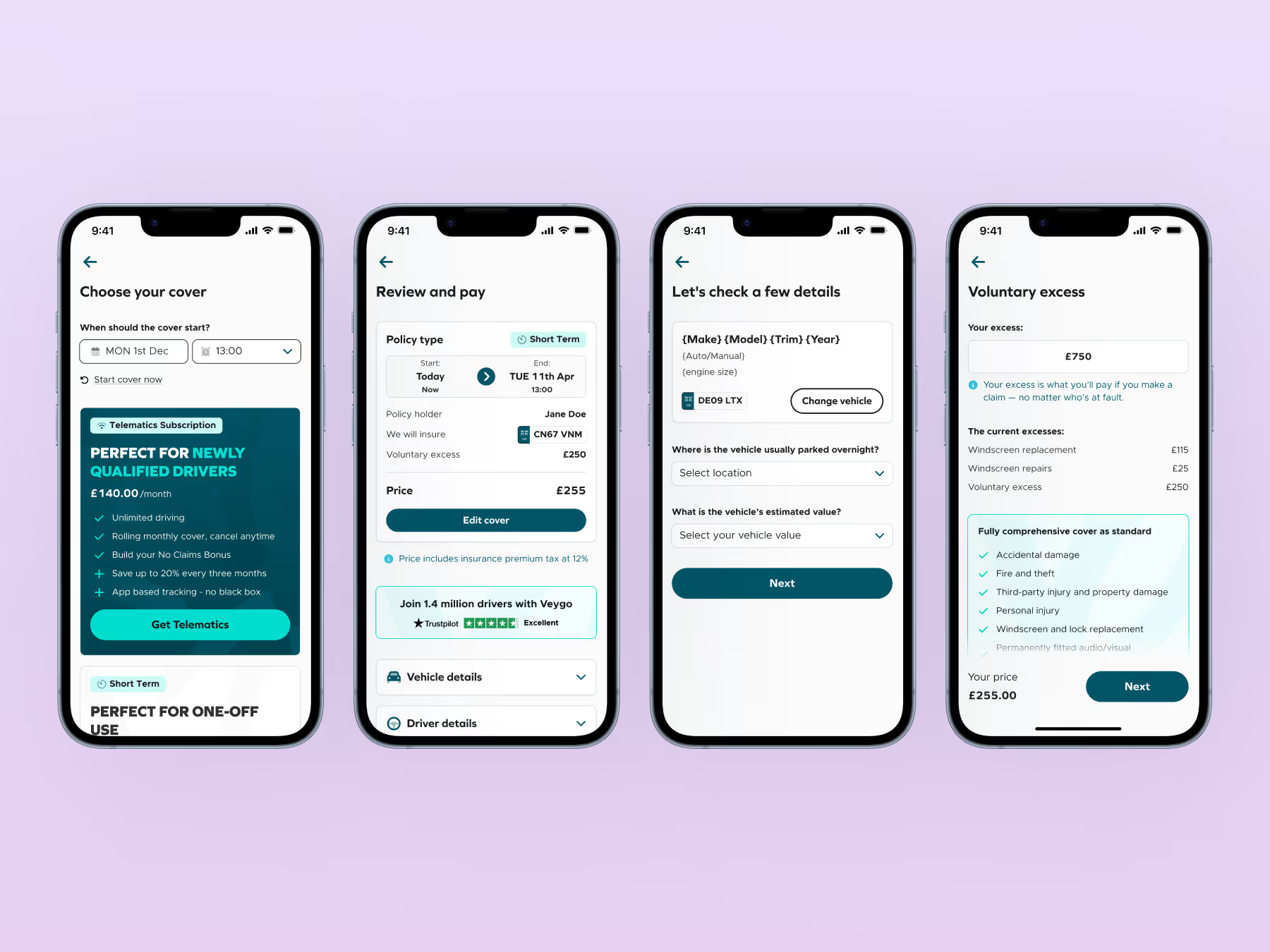
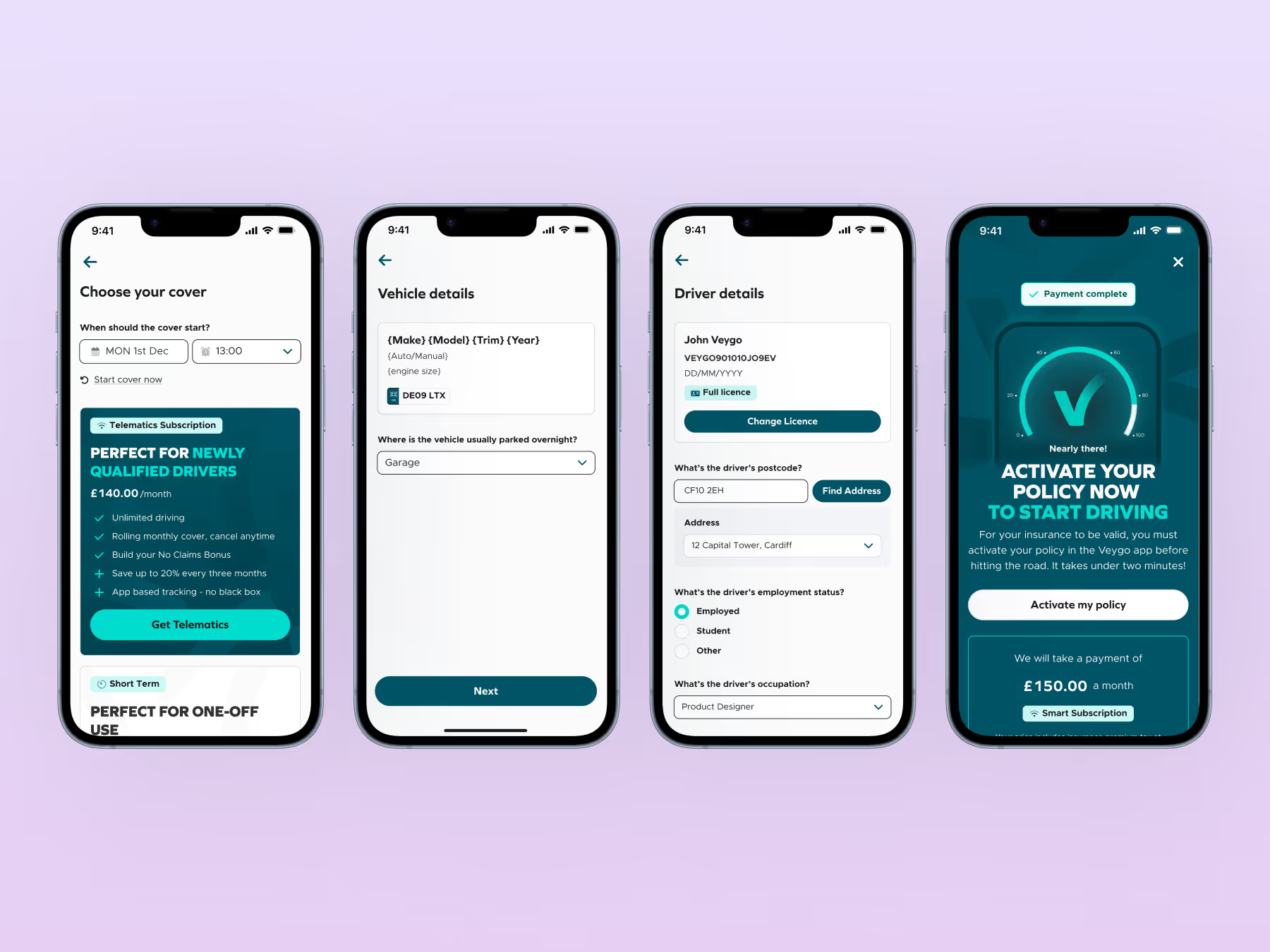
2. Unify the experience across platforms
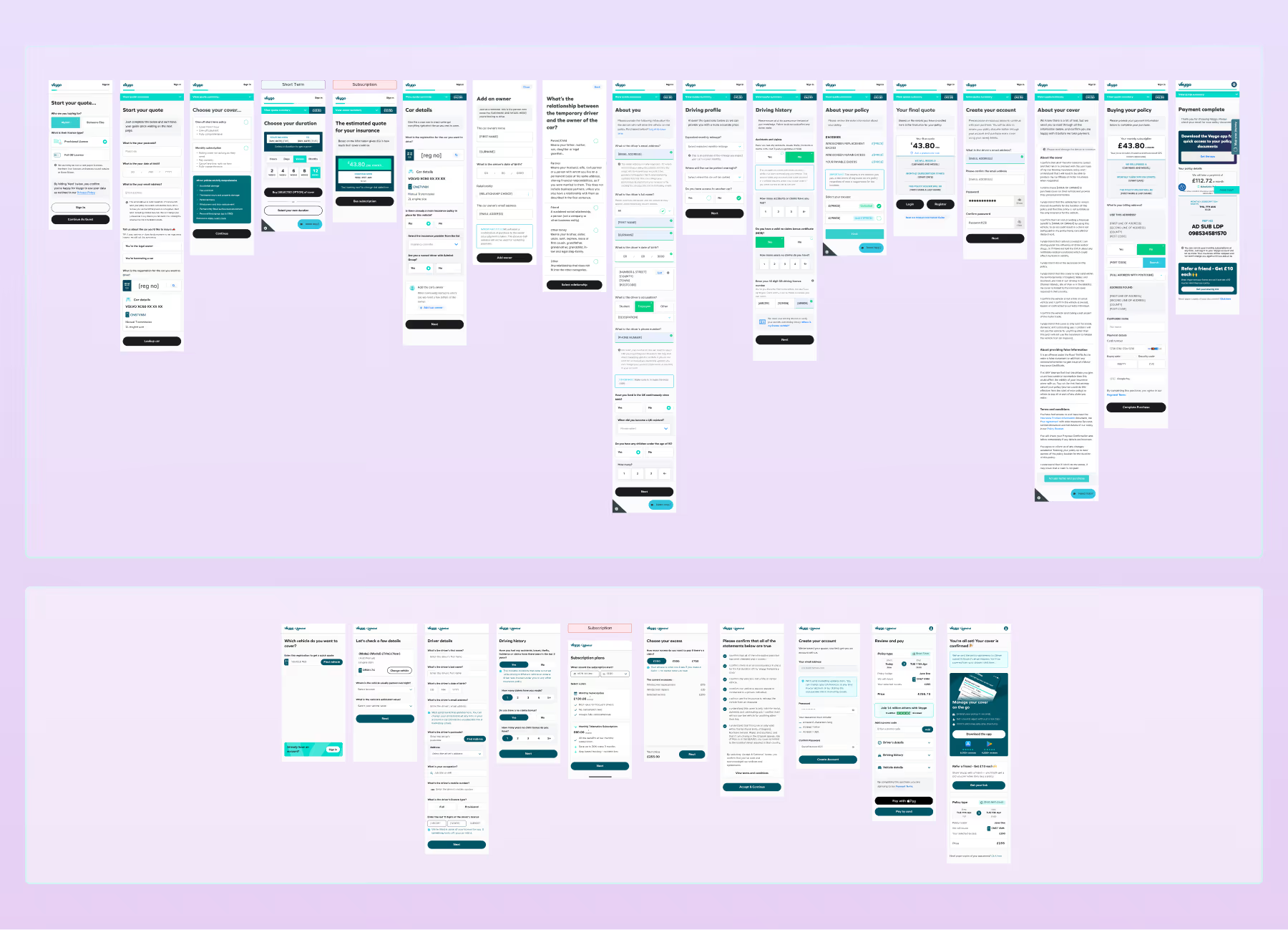
Designed a single quote journey for iOS, Android, and Web
Standardised flows, patterns, and behaviours
This eliminated duplication and made iteration significantly faster.
3. Build for experimentation from the ground up
Introduced a consistent tracking and events system
Enabled reliable A/B testing across the journey
This allowed us to measure impact and scale what worked.
Delivery Approach
Given the scale of change, we avoided a full redesign launch.
Rolled out incrementally
Benchmarked each step against the legacy journey
Only progressed when performance improved
This reduced risk while maintaining momentum.
Outcome
Conversion nearly doubled for new business
Return customer conversion more than doubled
Improved data quality and confidence in decision-making
Enabled faster iteration across product teams
Reflection
Improving conversion at scale isn’t just about better UX, it’s about building systems that make improvement possible.
By simplifying the journey, unifying platforms, and enabling reliable experimentation, we created a foundation for continuous growth.