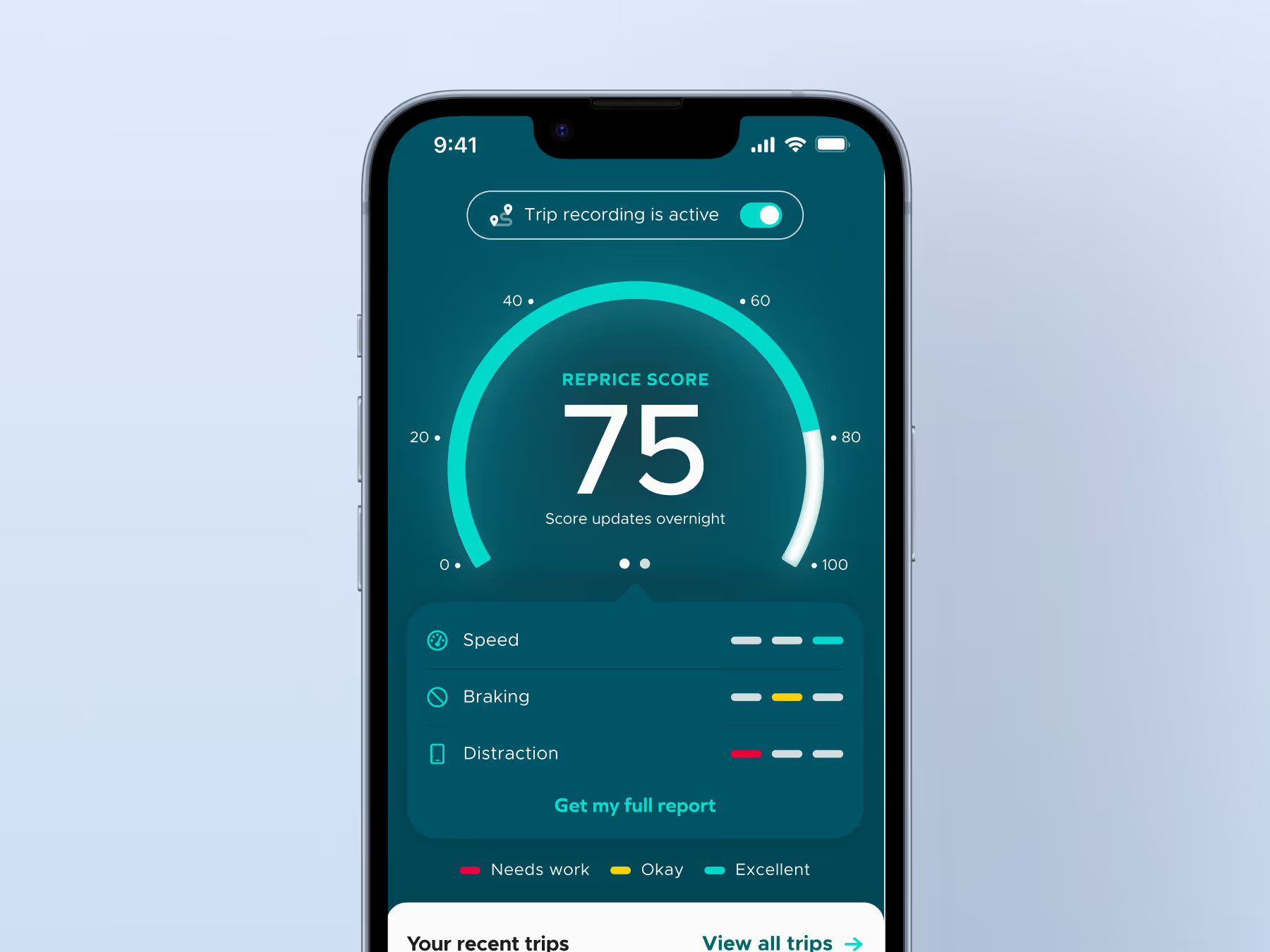
Driving Behaviour Change to Triple Retention
Impact
Retention increased from 2.0 to 6.3 months
Premium Generated £6,000,000+
Increased average LTV for young drivers by £740
This is now the core strategic product for growth
Problem
Newly qualified drivers are high-risk and expensive to insure, which leads to poor retention.
Internally, there was no clear alignment on how to solve this:
Commercial teams focused on pricing risk, not reducing it
Engineering were delivery-focused with little exposure to customers
Previous telematics products had low trust and engagement
There was scepticism around whether behaviour could meaningfully influence pricing without increasing risk.
The opportunity was not better tracking, but enabling behaviour change.
My role
I led this initiative end-to-end, acting as the bridge between product, design, and engineering.
Defined the proposition from fragmented customer and business insights
Secured buy-in to shift from risk pricing to behaviour change
Led research with 50+ interviews and a 4-month longitudinal study
Designed the end-to-end experience
PM’d delivery, aligning scope, priorities, and iteration
Transformed the squad into a more customer-focused, insight-driven team
Alignment & Key Decisions
To align teams around a new approach, I used customer research to reframe the problem from pricing risk to reducing it.
A key challenge was linking behaviour to pricing without introducing technical and commercial risk.
We explored real-time pricing feedback, but this proved complex and high-risk
I worked with engineering and commercial teams to evaluate trade-offs
We made the call to introduce 3-month pricing reviews, balancing feasibility with meaningful user feedback
This created a clear and achievable link between behaviour and reward while keeping delivery realistic.
Testing & Iteration
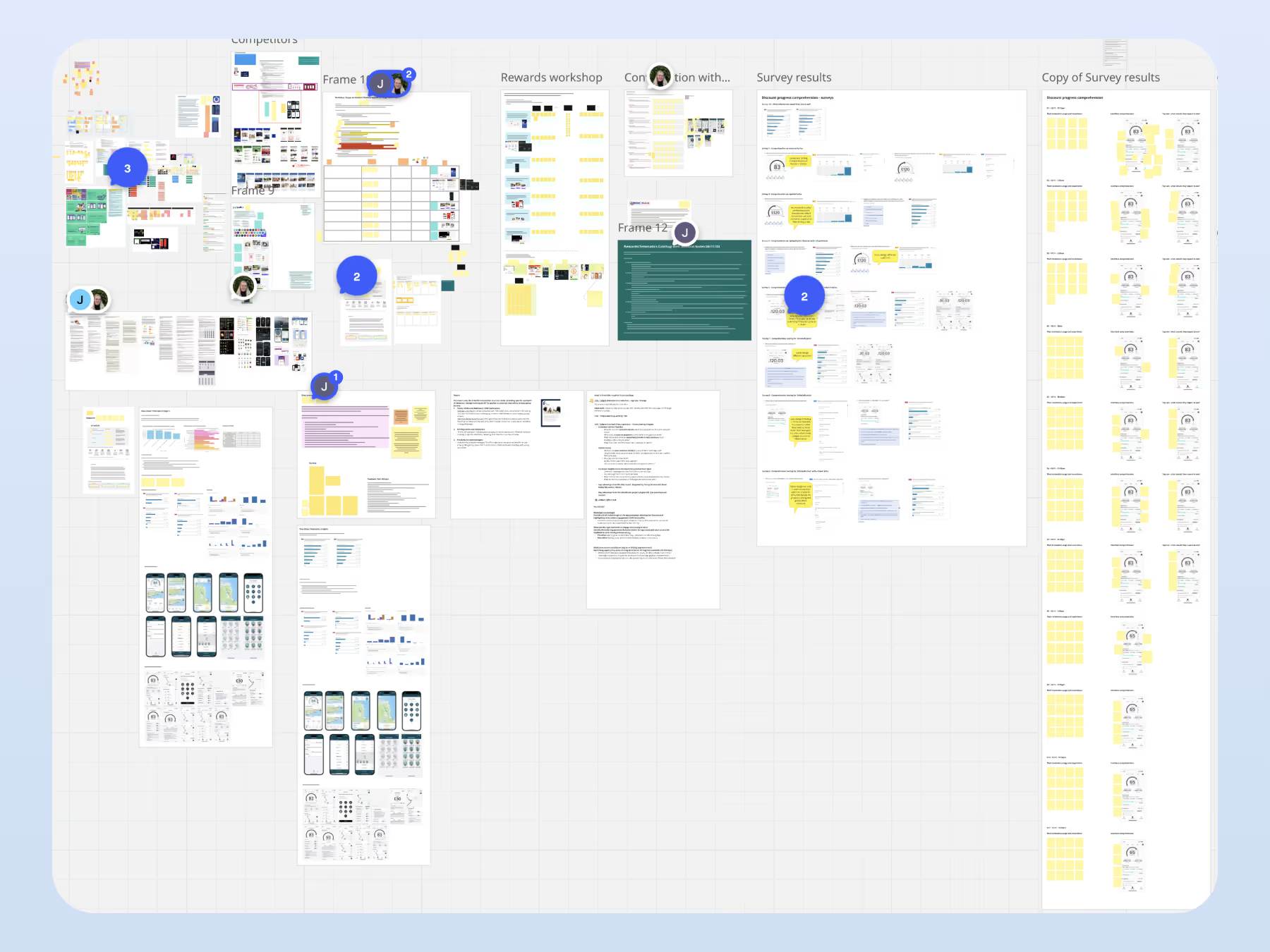
We prioritised testing early and often to ensure we were improving real outcomes, not just refining the interface.
Ran rapid prototype testing to validate key flows and reduce friction
Brought 15 young drivers to Cardiff for an in-person workshop, testing the journey end-to-end in a single day, this allowed enabled us to design with the target customer
Iterated live with users, refining questions, messaging, and flow in real time
Used tools like Maze and targeted one-question Typeform surveys to measure comprehension of key UI elements
This approach allowed us to quickly identify what worked, remove what didn’t, and build confidence in the direction before scaling.
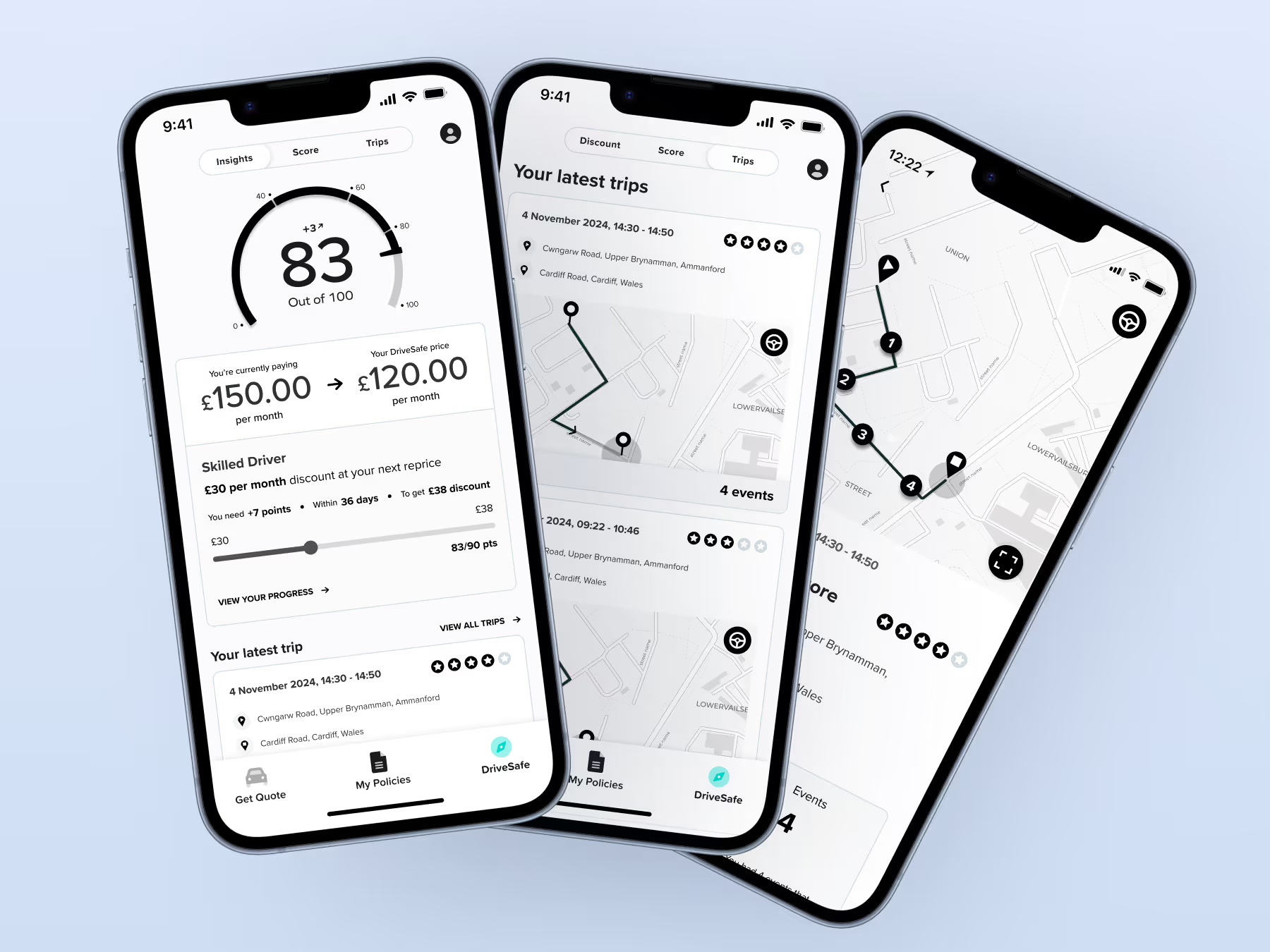
The Product
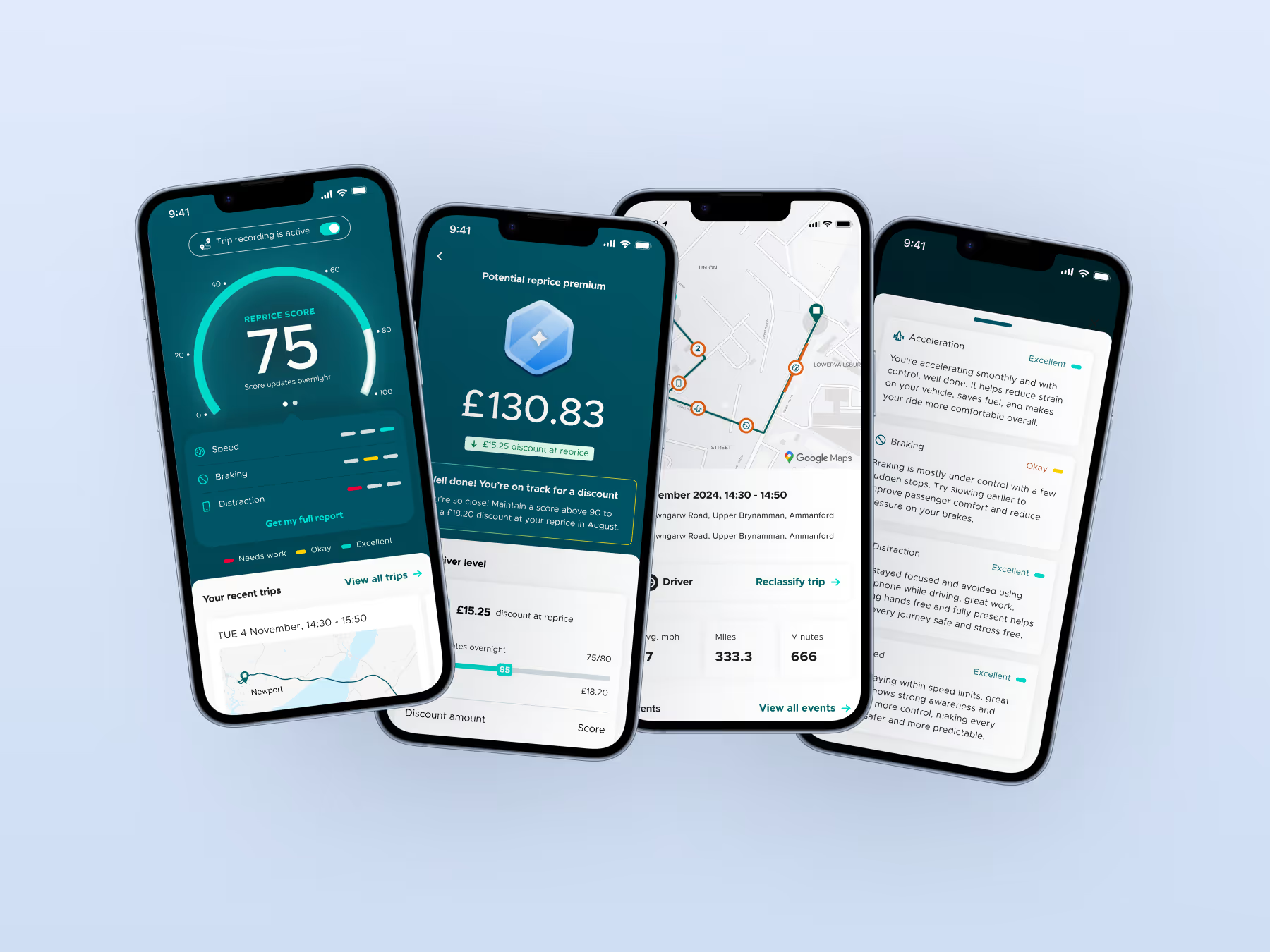
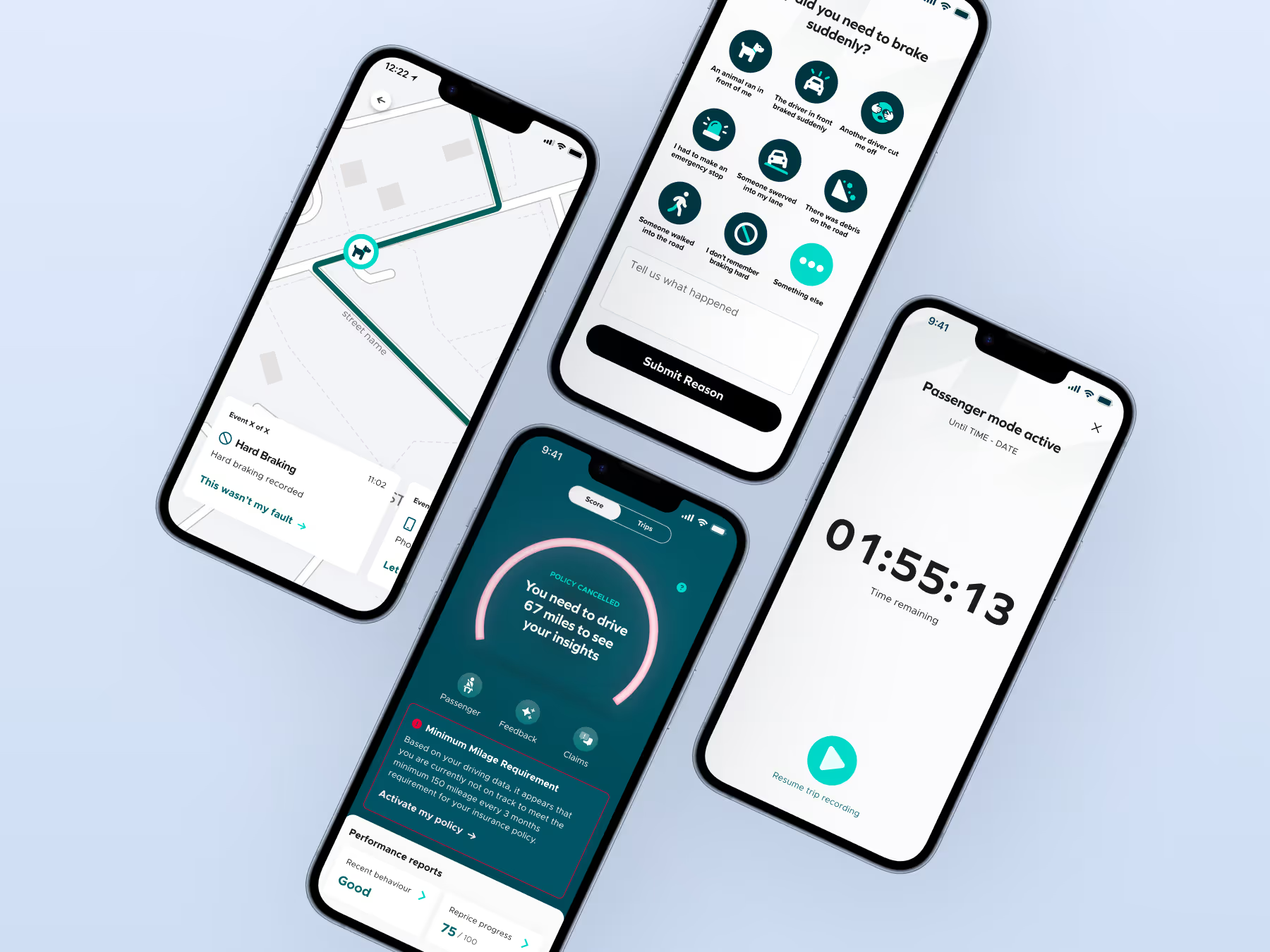
We reframed the product as a driver coaching experience:
Transparency: Clear breakdown of scores and trip performance
Incentives: Behaviour-linked pricing with tiered discounts every 3 months
Education: Personalised, actionable feedback to improve driving
This created a direct and visible link between behaviour and real financial outcomes.
Culture Shift
The squad initially operated in silos, with engineering focused on delivery rather than customer outcomes.
I introduced a more integrated, customer-led way of working:
Brought engineers into user interviews and trained them to run their own
Established bi-weekly sessions to share customer insights
Involved engineering directly in ideation and problem-solving
Shift in behaviour:
From “What are we building?” to “What problem are we solving?”
From passive delivery to active ownership of the solution
Engineers began bringing customer insights into discussions, increasing both product quality and team ownership.
Reflection
The biggest shift was not just the product, it was how the team worked.
By embedding customer understanding into engineering and aligning teams around behaviour change, we moved from shipping features to solving the right problem.
That alignment, not just the design, was what ultimately drove the outcome.